
 By Henry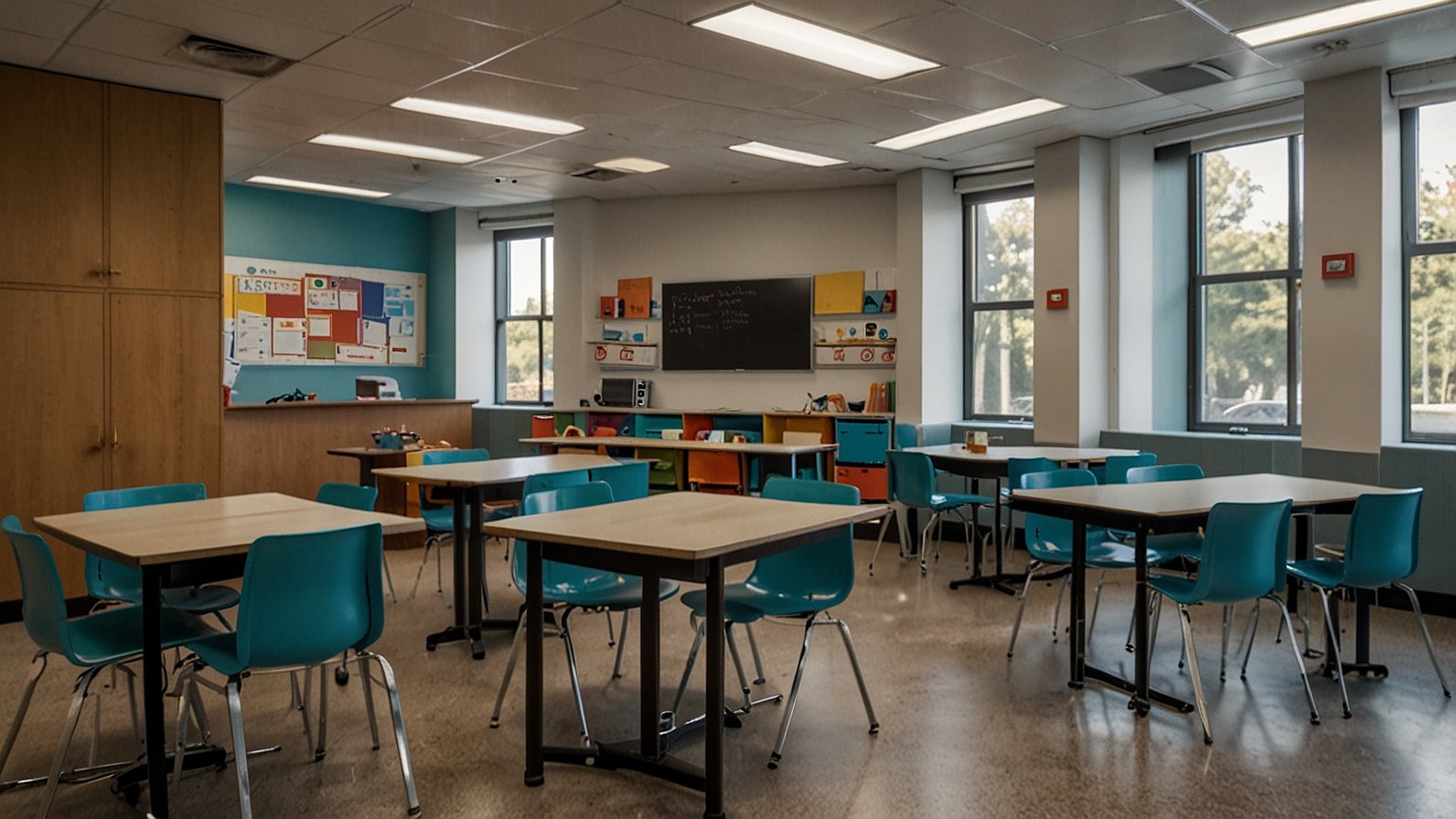
Welcome to the future of education! Imagine a classroom that breaks free from traditional boundaries, where innovation meets engagement and learning is tailored for every student. Enter Classroom 15X—a revolutionary model designed to redefine how we perceive teaching and learning. This approach empowers both educators and students, fostering an environment rich in collaboration, creativity, and critical thinking. As we delve deeper into this transformative concept, you’ll discover its roots, key features, benefits, challenges, real-life success stories, and what lies ahead for educational institutions embracing Classroom 15X. Get ready to explore how this forward-thinking model can reshape classrooms across the globe!
The concept of the future classroom has evolved significantly over the decades. From traditional lecture-based methods to a more interactive approach, educators have continually sought ways to enhance learning experiences.
In the early 20th century, classrooms were designed primarily for rote memorization and standardized testing. However, as educational theories advanced, so did teaching strategies. The rise of progressive education in the mid-1900s encouraged critical thinking and collaboration among students.
Fast forward to the late 20th century; technology began infiltrating classrooms with computers and projectors. This shift laid the groundwork for Classroom 15X—a model integrating cutting-edge tech into everyday learning environments.
Today’s classrooms reflect this evolution by promoting flexibility, autonomy, and personalized learning pathways. As we embrace innovations like augmented reality or adaptive learning software, schools are redefining what it means to engage students fully in their educational journeys.
Classroom 15X embraces a dynamic, flexible layout that encourages collaboration. Traditional desks are replaced with movable furniture, allowing students to reconfigure their space according to the activity at hand.
Technology integration is another hallmark of this model. Interactive whiteboards and tablets facilitate real-time feedback and engagement among learners. The classroom becomes a hub for digital exploration, enhancing understanding through multimedia resources.
Personalized learning paths are also central to Classroom 15X. Students have the autonomy to progress at their own pace, fostering independence and self-directed learning.
Additionally, emphasis on social-emotional skills makes this model stand out. Activities designed for teamwork help build communication and problem-solving abilities among peers.
Eco-friendly practices play an important role in Classroom 15X. Sustainable materials and energy-efficient technologies create an environmentally conscious educational environment that resonates with today’s values.
Implementing Classroom 15X offers numerous advantages for both students and educators. It fosters a dynamic learning environment that encourages creativity and collaboration.
Students thrive in spaces designed for interaction rather than traditional lectures. They engage more deeply with the material, often leading to improved retention of information.
Flexibility is another key benefit. The design allows for various teaching methods—group work, individual study, or hands-on activities—all within the same classroom setting.
Teachers also see enhanced professional development opportunities. The collaborative nature of Classroom 15X promotes sharing best practices among educators, enriching their instructional techniques.
Additionally, this model supports personalized learning experiences. Each student can progress at their own pace while receiving tailored support from teachers who have more time to focus on individual needs.
These factors contribute to better academic outcomes and foster a lifelong love for learning among students.
Adopting Classroom 15X comes with its fair share of challenges. One major hurdle is resistance to change from both educators and administrators. Many feel apprehensive about moving away from traditional teaching methods.
Another challenge is the need for adequate training. Teachers must be equipped with the skills to utilize new technologies effectively. Without proper professional development, implementation may falter.
Budget constraints can also pose significant issues. Investing in technology and infrastructure requires funding that some schools struggle to secure.
However, these challenges can be addressed through strategic planning. Engaging stakeholders early on fosters a culture of collaboration and support. Providing ongoing training ensures educators are confident in using new tools.
Allocating resources wisely helps overcome budget limitations, allowing schools to prioritize essential upgrades without overwhelming financial burdens.
Schools around the world are embracing Classroom 15X, transforming traditional learning environments into innovative spaces.
For instance, a high school in California revamped its classrooms with flexible seating and collaborative work zones. Students reported increased engagement and improved teamwork.
In another example, a primary school in Canada integrated technology seamlessly within their curriculum. Interactive whiteboards and tablets became tools for creativity rather than distractions.
A unique case emerged from an urban middle school that partnered with local businesses to create real-world projects. This initiative not only enhanced learning but also bridged gaps between education and community involvement.
These examples illustrate how diverse contexts can adapt Classroom 15X principles effectively. Schools are discovering that by personalizing education through this model, they foster environments where students thrive academically and socially.
Transitioning to Classroom 15X requires careful planning and collaboration. Start by engaging with educators, administrators, and parents early in the process. Their insights can help shape a better implementation strategy.
Next, invest in professional development for teachers. They need training on new technologies and methodologies that come with this model. Workshops and hands-on sessions can facilitate this learning experience.
Additionally, assess your current resources. Identify what needs upgrading or replacing to support the innovative features of Classroom 15X effectively.
Creating pilot programs within select classrooms can be beneficial as well. This allows schools to experiment with changes while gathering feedback before a full rollout.
Ensure an open line of communication among all stakeholders throughout the transition period. Regular updates will keep everyone informed and engaged in moving forward together toward this future classroom initiative.
Classroom 15X transforms the learning experience for both students and teachers. By fostering collaboration, it encourages peer-to-peer interaction. This dynamic environment nurtures social skills alongside academic growth.
Students become active participants in their education, engaging with technology that caters to individual learning styles. They gain confidence as they explore concepts at their own pace.
For teachers, Classroom 15X redefines their role from traditional instructors to facilitators of knowledge. With flexible spaces and resources, educators can tailor lessons to better suit diverse needs.
Professional development opportunities also increase, allowing teachers to innovate continuously in teaching methods. This shift not only enhances instructional quality but also boosts teacher satisfaction.
The atmosphere becomes vibrant and stimulating while promoting creativity across subjects. Such an environment cultivates lifelong learners who are well-prepared for future challenges.
As we look ahead, the potential for Classroom 15X seems boundless. This innovative model is not just about enhancing traditional teaching methods; it’s about reimagining education itself. The integration of technology will continue to evolve, with advancements in virtual reality and artificial intelligence playing a significant role.
Imagine classrooms where students can immerse themselves in virtual environments that bring history or science to life. AI-driven personalized learning systems could adapt lessons based on each student’s pace and interests, ensuring no one falls behind.
Collaboration across classrooms worldwide might become commonplace through seamless online platforms, allowing students to work on projects with peers from different countries. Such connections foster global understanding and cooperation among future leaders.
Furthermore, ongoing professional development for educators will be crucial as they navigate this ever-changing landscape. With support and training in new technologies and pedagogical strategies, teachers can thrive within the Classroom 15X framework.
The possibilities are exciting. As schools worldwide begin to adopt this model more widely, innovation will likely accelerate even further. Each step taken towards implementing Classroom 15X opens doors to new educational experiences that challenge conventions while nurturing creativity and critical thinking skills among students everywhere.
You May Also Read: Traceloans.com Student Loans: A Smart Borrower’s Guide