
 By Henry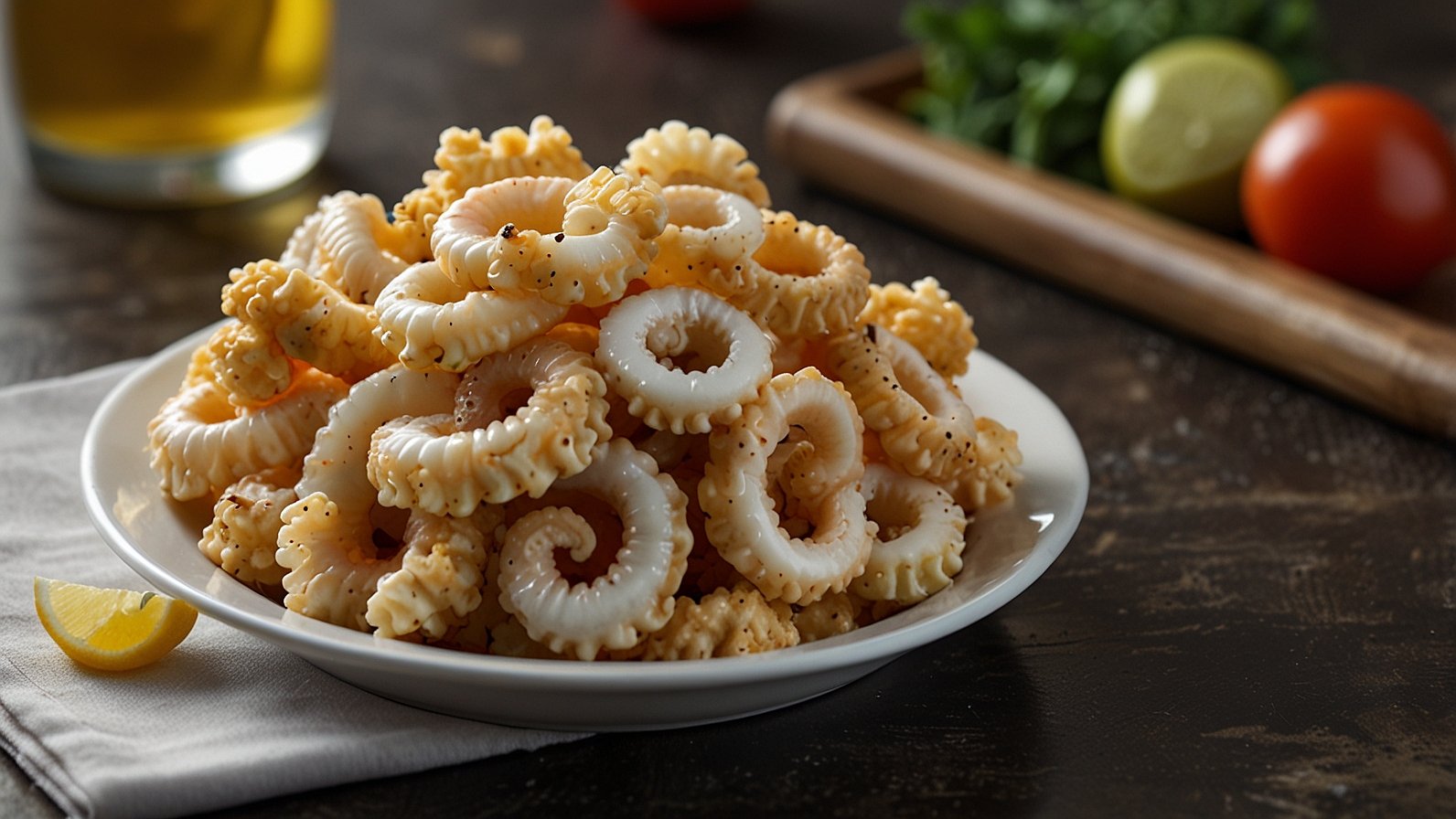
Did you know that the global squid market reached over $12 billion in 2025, driven by rising demand for this nutrient-packed seafood? As more people discover the joys of Mediterranean flavors, the calamariere tradition invites you to dive deeper into the world of premium squid preparation.
Imagine strolling through a bustling Italian coastal market, the salty sea breeze mixing with the aroma of fresh catches. That’s the essence of calamariere: a celebration of squid as more than just an appetizer, but a canvas for culinary creativity. Whether you’re a home cook experimenting with seafood umami profiles or a traveler seeking authentic tastes, mastering calamariere elevates your kitchen game.
Calamariere captures the artistry behind squid handling and the vibrant Mediterranean seafood traditions that surround it. Think of it as the bridge between simple fishing practices and sophisticated dishes that highlight squid’s natural tenderness and flavor.
This concept draws from Italian coastal cuisine, where squid has been a staple for centuries. Fishermen in regions like Sicily and Liguria have perfected techniques passed down through generations, turning humble cephalopods into gourmet experiences. Today, calamariere represents both the expert preparer and the cultural heritage, blending storytelling with hands-on skills.
For instance, in Venice, locals might share tales of night fishing while preparing a quick grill. It’s about respecting the ingredient, much like a painter values their palette.
Key Elements of Calamariere Culture
- Focus on fresh, local catches for optimal taste.
- Emphasis on minimalism to let squid’s subtle sweetness shine.
- Integration of herbs, olive oil, and citrus for that signature Mediterranean zing.
Squid has swam through history as a key player in Mediterranean diets. Ancient Greeks and Romans prized it for its abundance in the Aegean and Ionian Seas, often grilling it simply with olive oil and herbs.
Fast forward to today, and squid stars in iconic dishes across the region. In Spain, it’s essential for paella, adding a chewy contrast to rice. Greeks love it fried or stuffed, while Italians incorporate it into risottos and pastas, sometimes using ink for dramatic black hues.
One fun fact: Squid ink, once used for writing, now colors dishes like nero di seppia, offering a briny depth that’s uniquely maritime gastronomy.
Evolution of Squid Dishes
- From ancient preservation methods like salting to modern sustainable practices.
- Influence of trade routes bringing spices that enhance squid’s umami.
- Rise in popularity with health-conscious eaters seeking low-calorie proteins.
Choosing premium squid starts with freshness. Look for bright, clear eyes and firm, glossy skin that’s not slimy or discolored. A fresh squid should smell like the ocean, not fishy.
Size matters too. Smaller squid, around 4-6 inches, are more tender and ideal for quick cooking, while larger ones suit stews or grilling. For Mediterranean cooking, opt for varieties like European squid (Loligo vulgaris) or Argentine shortfin, known for their mild flavor.
At the market, ask about the catch method. Sustainable squid fishing, like jigging with lights, ensures quality without harming ecosystems.
Tips for Spotting Quality Squid
- Avoid reddish tinges on frozen squid, signaling improper storage.
- Choose whole squid for versatility in cleaning and portioning.
- For ink-based recipes, select specimens with intact sacs.
Here’s a quick comparison table of popular squid varieties for Mediterranean cooking:
| Variety | Size Range | Flavor Profile | Best For | Sustainability Notes |
|---|---|---|---|---|
| European Squid (Loligo vulgaris) | 4-12 inches | Mild, sweet | Frying, grilling | Abundant in Mediterranean, well-managed stocks |
| Argentine Shortfin Squid | 6-10 inches | Firm, nutty | Stews, salads | High-volume fishery, monitor for overfishing |
| Japanese Flying Squid | 8-14 inches | Rich umami | Ink recipes, stuffing | Global supply, sustainable in regulated areas |
| Jumbo Flying Squid | 12-18 inches | Robust, chewy | Slow-cooked dishes | Growing market, focus on ethical sourcing |
Equipping your kitchen for calamariere doesn’t require fancy gadgets. Start with basics that make preparation seamless.
A sharp knife is your best friend for slicing rings without tearing the flesh. Kitchen shears help with quick tentacle separation, and a cutting board with a groove catches any liquids.
For tenderizing, a simple mallet or even scoring with a fork prevents rubbery texture. Don’t forget gloves if you’re sensitive to the sliminess.
Must-Have Tools List
- Sharp paring knife for precise cuts.
- Kitchen shears for easy beak removal.
- Tweezers or pliers for pulling out any remaining spines.
- Colander for rinsing after cleaning.
These tools turn squid prep from a chore into an enjoyable ritual, much like sharpening pencils before sketching.
Cleaning squid might seem intimidating, but it’s straightforward once you try it. Begin by rinsing under cold water. Pull the head and tentacles from the body tube, removing innards as you go.
Slice off the eyes and beak, then extract the clear cartilage from the tube. Peel the skin for a cleaner look, though some recipes keep it for texture.
For rings, cut the tube crosswise; for tentacles, halve larger ones. Soak in salted milk for 30 minutes to tenderize and reduce any fishiness.
Remember, fresh is key: Use within two days or freeze promptly.
Step-by-Step Cleaning Guide
- Grasp tentacles and pull gently to remove guts.
- Cut below eyes, push out beak.
- Rinse inside tube thoroughly.
- Pat dry to ensure crisp cooking.
The secret to avoiding rubbery calamari? Cook fast or slow. Quick methods like frying or grilling seal in juices, while braising tenderizes over time.
For frying, use a hot pan with olive oil; cook rings for 1-2 minutes. Tenderizing with baking soda soak helps too.
Grill whole squid brushed with herbs for that charred edge. Always season post-cooking to keep moisture in.
Analogy: Treat squid like a sponge, it absorbs flavors but toughens if squeezed too hard (overcooked).
Pro Techniques
- Score the tube for even cooking and pretty curls.
- Marinate in lemon and garlic for Mediterranean flair.
- Fry in batches to maintain oil temperature.
Bring Italy home with these classics. Start with calamari fritti: Coat rings in flour, fry until golden, serve with lemon.
For squid ink pasta, mix ink into dough for black strands, toss with shrimp and tomatoes.
Try stuffed squid: Fill tubes with breadcrumbs, parsley, and cheese, then simmer in tomato sauce.
Each recipe honors artisanal seafood preparation, using fresh ingredients for authentic taste.
Recipe Spotlight: Fried Calamari
- Ingredients: 1 lb squid, flour, oil, salt.
- Steps: Slice, dredge, fry 90 seconds.
- Tip: Pair with aioli for dipping.
Squid packs a nutritional punch: High in protein, low in calories, rich in omega-3s for heart health. It boosts brain function with vitamin B12 and fights anemia via copper.
However, choose sustainably: Look for MSC-certified squid to support eco-friendly fishing. Avoid overfished stocks; jigging methods minimize bycatch.
Eating squid mindfully aligns with health benefits while preserving maritime resources.
Sustainability Tips
- Check labels for origin and certification.
- Opt for local catches to reduce carbon footprint.
- Balance consumption with other seafood for variety.
In wrapping up, embrace calamariere by starting small: Pick fresh squid next market visit, clean it with confidence, and try a simple grill. You’ll soon create dishes that transport you to sun-drenched coasts.
Here’s a quick summary list to get you cooking:
- Source fresh, sustainable squid.
- Gather basic tools like a sharp knife.
- Clean thoroughly for best results.
- Cook quickly to keep it tender.
- Experiment with herbs and citrus.
What’s your favorite squid dish? Share in the comments—I’d love to hear your twists!
You May Also Like: The Ultimate Guide to Prosecchini: Italy’s Best-Kept Culinary Secret
What does calamariere mean exactly?
It refers to the expert art of squid preparation rooted in Mediterranean culture, blending tradition with practical cooking skills.
How do I avoid rubbery calamari?
Cook it briefly at high heat or braise slowly; tenderize with a milk soak beforehand.
Are there health risks with eating squid?
It’s generally safe, but watch cholesterol if consuming large amounts; always cook thoroughly to avoid parasites.
What’s the best squid variety for beginners?
Start with small European squid—it’s tender and versatile for frying or grilling.
How can I use squid ink in recipes?
Add it to pasta dough for color and flavor, or in risottos for a briny depth.
Is squid sustainable to eat?
Yes, when sourced from certified fisheries; check for labels like MSC to ensure responsible practices.
Can I freeze fresh squid?
Absolutely—clean it first, then freeze in airtight bags for up to three months.