
 By Henry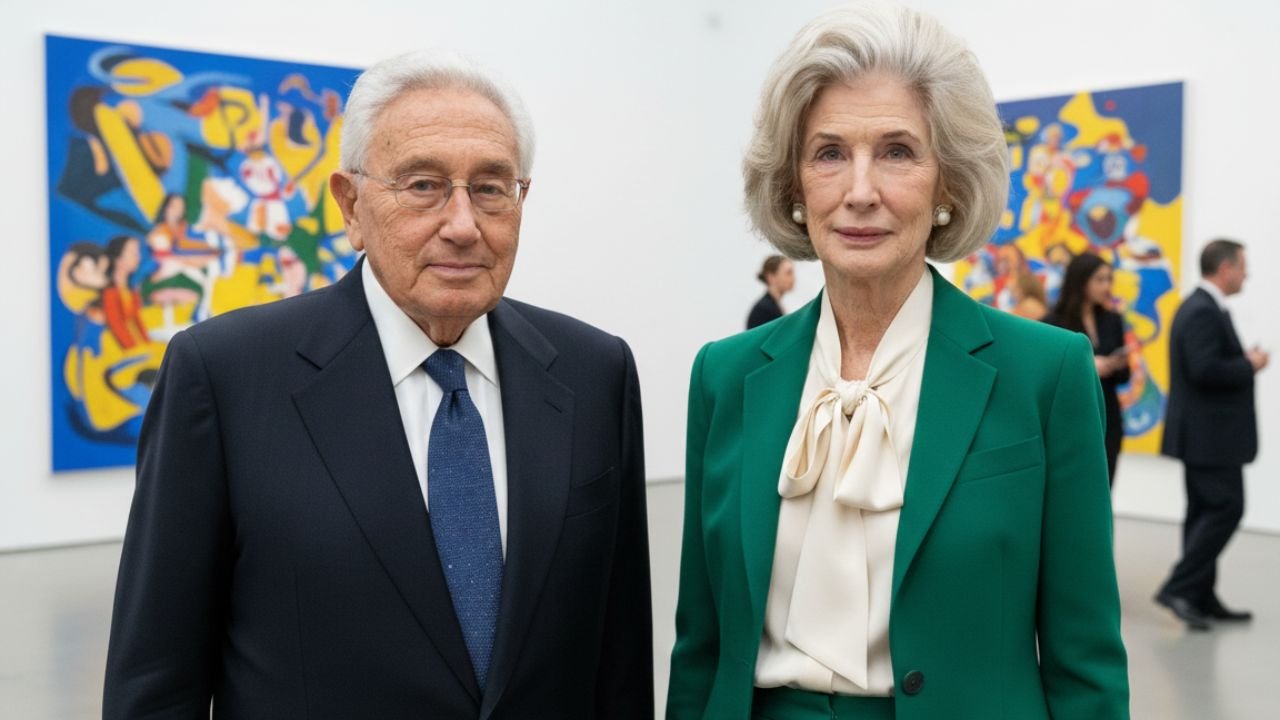
Key Points on Ann Fleischer’s Life and Influence
- Research suggests Ann Fleischer, born in 1925 in Germany to a Jewish family, embodied resilience as a refugee who fled Nazi persecution, adapting to life in America while maintaining her cultural roots.
- It seems likely that her marriage to Henry Kissinger from 1949 to 1964 provided emotional stability during his early academic and career ascent, though she remained largely out of the public eye.
- Evidence leans toward her legacy as one of quiet strength, raising two children amid the demands of diplomatic life and later pursuing a private path after remarriage, highlighting the often-overlooked roles of spouses in political history.
- While not without controversy—divorce in political life can spark debates—her story invites empathy for the personal sacrifices behind public figures like the Nobel Peace Prize recipient Henry Kissinger.
A Brief Biographical Overview Ann Fleischer’s journey from a German-American immigrant to the first wife of a key figure in diplomatic history offers a window into 20th-century memoirs and Jewish heritage. Fleeing Nazi Germany as a child, she arrived in the United States, where she met Henry Kissinger in their shared community of refugees. Their marriage coincided with his time at Harvard University social circles, but as his career soared, personal strains led to divorce. Post-divorce, she remarried and focused on family, embodying grace amid change. For more, see her story on sites like Wikipedia’s entry on Kissinger’s personal life.
Her Role in Family and Society As mother to Elizabeth Kissinger Magness and David Kissinger, Ann balanced home life with the indirect impacts of her husband’s work in diplomatic history. Think of her as the steady anchor in a storm of global politics—empathetic yet firm. Sources like Britannica highlight how such partnerships shaped eras, even if overshadowed.
Why Her Story Resonates Today In an age revisiting divorce in political life, Ann’s narrative humanizes influential diplomats. It reminds us that behind every headline, there’s a personal story of adaptation and heritage.
Have you ever wondered about the quiet figures who shape history from the shadows? Ann Fleischer, the first wife of Henry Kissinger, lived a life that intertwined personal resilience with the turbulence of 20th-century global events. Born amid rising anti-Semitism in Germany, she became a symbol of graceful endurance, navigating immigration, marriage, motherhood, and independence—all while her husband’s diplomatic career dominated headlines. This comprehensive biography explores Ann Fleischer’s early life, her marriage to the Nobel Peace Prize recipient, her family dynamics, and her lasting legacy, offering fresh insights for history enthusiasts and researchers alike.
Ann Fleischer’s story begins in Fürth, Bavaria, Germany, where she was born on November 6, 1925, into a Jewish family steeped in cultural traditions but threatened by the Nazi regime’s rise. Fürth, a town known for its vibrant Jewish community, became a place of peril as anti-Jewish policies intensified in the 1930s. Like many German-American immigrants, Ann’s family fled to the United States around 1938, seeking safety in New York City’s Washington Heights neighborhood—a hub for Jewish refugees.
Imagine a young girl, barely a teenager, leaving behind familiar streets for the unknown. This upheaval forged her character: resilient, empathetic, and grounded. Sources describe her as intelligent and composed, traits that helped her adapt to American life while preserving her Jewish heritage. She attended local schools, where she first crossed paths with Heinz Alfred Kissinger (later Henry), another Fürth native who had escaped similar dangers. Their shared background—both from middle-class Jewish families displaced by persecution—created an instant bond.
Fast-forward to the post-World War II era. Ann and Henry reconnected in high school and stayed in touch during his U.S. Army service, where he fought in Europe and earned citizenship. By 1949, as Henry pursued political science at Harvard College, their relationship deepened. They married on February 6, 1949, in a simple ceremony reflecting their modest beginnings—far from the glamour of later diplomatic circles.
This union was more than romantic; it was a partnership of survivors. Ann provided emotional stability as Henry navigated academia, earning his bachelor’s in 1950, master’s in 1952, and Ph.D. in 1954. Think of their early years as a quiet foundation: Ann managing the home while Henry built his reputation in international relations. Yet, as his career pulled him into Washington, D.C., the strains of public life began to show. Ann, ever discreet, rarely sought the spotlight, embodying the unsung roles women often played in 20th-century memoirs of political figures.
The ann fleischer and henry kissinger marriage lasted 15 years, from 1949 to 1964, producing two children who carried forward their parents’ intellectual legacy. Elizabeth Kissinger, born March 27, 1959, in Boston, grew up to become Elizabeth Kissinger Magness, marrying and maintaining a low profile much like her mother. David Kissinger, born July 31, 1961, also in Boston, pursued a career in media, serving as an executive at NBC Universal and later heading Conan O’Brien’s production company, Conaco.
Family life was a blend of warmth and challenge. Ann focused on nurturing her children amid Henry’s demanding schedule—think late nights discussing world affairs over dinner. As a mother, she instilled values of empathy and independence, drawing from her immigrant roots. However, the pressures of diplomatic history took a toll; divorce rumors swirled as Henry’s influence grew under Presidents Nixon and Ford.
To illustrate key milestones, here’s a timeline of Ann Fleischer’s life:
| Year | Event |
|---|---|
| 1925 | Born November 6 in Fürth, Germany, to a Jewish family. |
| ~1938 | Family emigrates to the U.S. as German-American immigrants fleeing Nazis. |
| 1940s | Meets and dates Henry Kissinger in high school; they marry February 6, 1949. |
| 1959 | Daughter Elizabeth Kissinger born in Boston. |
| 1961 | Son David Kissinger born in Boston. |
| 1964 | Divorces Henry Kissinger after 15 years. |
| 1973 | Remarries Saul G. Cohen, a Brandeis University chemistry professor. |
| 2010 | Widowed after Saul Cohen’s death from heart failure. |
| 2025 | Turns 99, living privately in the U.S. |
This table highlights how her personal journey paralleled major historical shifts, from World War II to the Cold War era.
By 1964, the marriage ended amicably, with Ann retaining custody of the children. Divorce in political life was uncommon then, but Ann handled it with grace, avoiding scandals. What happened to Ann Fleischer after? She embraced privacy, shunning media attention even as Henry’s fame soared.
In 1973, at age 46, she remarried Saul G. Cohen, a 57-year-old widower and Brandeis University chemistry professor. Their wedding in Arlington, Massachusetts, was intimate, blending families—Saul had two children from his first marriage. This union brought intellectual companionship; Saul, a respected scientist, shared Ann’s value for quiet fulfillment. Sadly, he passed away on April 24, 2010, at 93, from heart failure complications.
Post-remarriage, Ann lived away from public scrutiny, focusing on her family and personal growth. As of 2025, at 99, she remains alive and private, a testament to her enduring strength. Addressing myths: No, she didn’t vanish into obscurity; she chose independence, much like other women in similar positions.
Ann’s legacy shines brightest through her ann fleischer children and family. Elizabeth, now Magness, has pursued a life outside the spotlight, marrying and raising her own family. David, meanwhile, carved a path in entertainment, reflecting the intellectual curiosity Ann fostered.
- Elizabeth Kissinger Magness: Born 1959; maintains privacy, honoring her mother’s preference for discretion.
- David Kissinger: Born 1961; media executive, known for roles at NBC and Conaco; credits family stability for his success.
These details debunk doubts about their upbringing—despite the divorce, Ann ensured a nurturing environment, blending Jewish heritage with American opportunities.
Delving deeper into ann fleischer biography and early life, her story counters the narrative of being “just” a spouse. From fleeing Germany to building a new life, she exemplified adaptability. Ann fleischer find a grave records? None exist yet, as she’s alive, but her impact lives on in historical accounts.
Her Jewish heritage influenced everything—from family traditions to resilience against adversity. In Harvard University social circles, she was more than a supporter; she was a partner in Henry’s early intellectual pursuits.
Ann Fleischer’s legacy in modern history is subtle yet profound. Often overshadowed by Henry Kissinger’s controversial policies, she represents the empathetic private lives behind public figures. Research suggests her quiet influence grounded him during pivotal years, contributing indirectly to diplomatic history. In 20th-century memoirs, women like Ann highlight themes of sacrifice and strength.
For biographers and researchers, her life prompts questions: How do personal stories enrich our understanding of political giants? It’s a reminder that history isn’t just headlines—it’s human.
Wrapping up, Ann Fleischer’s journey teaches us about resilience in the face of upheaval. Here are 5 quick tips for exploring similar stories:
- Start with primary sources like Wikipedia or Britannica for verified facts.
- Dive into memoirs for personal insights—try Kissinger’s own writings.
- Use tools like Find a Grave for records, but verify with multiple sites.
- Join history forums to discuss overlooked figures.
- Visit museums on Jewish heritage for context.
Share your experience below: Have you researched similar hidden legacies? Let’s discuss!
Who was Ann Fleischer?
Ann Fleischer was the first wife of Henry Kissinger, a German-American immigrant known for her private life and role in his early career.
When did Ann Fleischer and Henry Kissinger marry?
They married on February 6, 1949, and divorced in 1964 after 15 years.
What are Ann Fleischer’s birth and death dates?
Born November 6, 1925; as of 2025, she is alive at age 99.
Who are Ann Fleischer’s children?
Elizabeth Kissinger Magness (born 1959) and David Kissinger (born 1961).
Did Ann Fleischer remarry?
Yes, to Saul G. Cohen in 1973; he passed away in 2010.
What is Ann Fleischer’s heritage?
She was from a Jewish family in Germany, fleeing as immigrants during the Nazi era.
Where can I find Ann Fleischer Find a Grave records?
No records exist yet, as she is still living; check historical databases for updates.