
 By Henry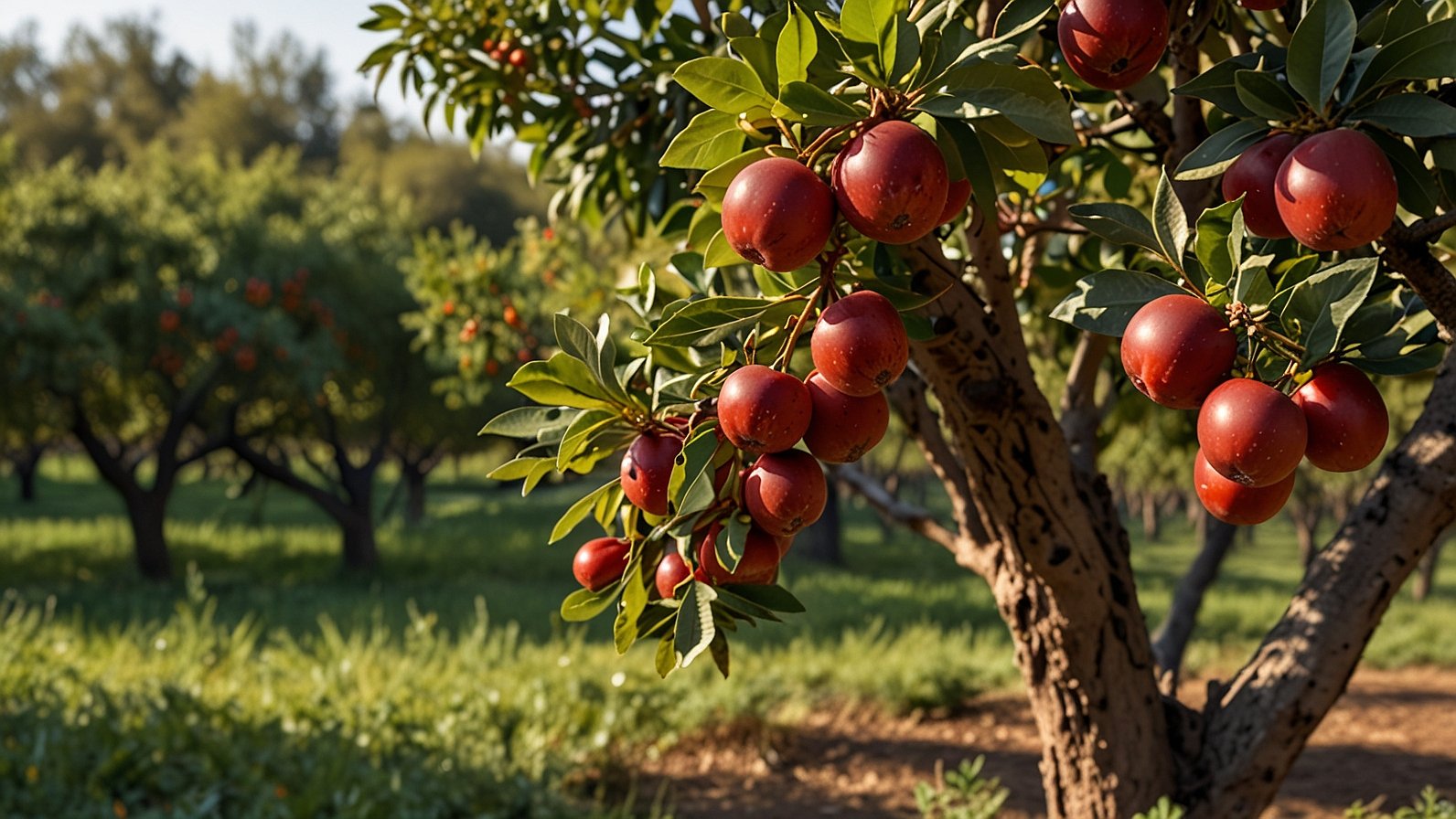
Have you ever bitten into a fruit so packed with history and health that it feels like a secret the world has been keeping? What if this humble treat could calm your nerves, boost your immunity, and satisfy your sweet tooth all at once? Meet žižole (pronounced zhi-zho-leh), the small but mighty jujube fruit that has been a cornerstone of traditional medicine and cuisine for millennia. Forget the exotic superfruits flown in from remote jungles; sometimes, the most powerful gifts are the ones that have been growing quietly along ancient trade routes, waiting for their moment in the sun.
Often called the “red date” or Chinese date, žižole is far more than a simple snack. It’s a cultural icon, a medicinal marvel, and a culinary chameleon. Let’s peel back the layers of this incredible drupe and discover why it deserves a prime spot in your pantry.
Think of žižole as the sophisticated, older cousin of the more common date. While they share a similar sweet, caramel-like flavor when dried, they come from entirely different plant families.
- Scientific Name: Ziziphus jujuba
- Origin: Southern Asia, particularly China, where it has been cultivated for over 4,000 years.
- The Fruit: It starts as a crisp, green apple-like fruit you might find in a grocery store. As it ripens, it transforms, becoming darker red or purple-brown, with its skin wrinkling and its flesh turning soft, sweet, and chewy—much like a date.
This incredible journey from crisp to chewy is part of what makes it so versatile. But its true power lies beneath the skin.
For centuries, practitioners of Traditional Chinese Medicine (TCM) and Ayurveda have revered the jujube fruit. Modern science is now catching up, confirming what ancient healers knew all along: žižole is a potent natural remedy.
Bursting with essential vitamins and minerals, this fruit is a nutritional champion. Here’s a quick breakdown of what you get in a serving:
Nutritional Snapshot of Dried Žižole (per 100g)
| Nutrient | Approximate Amount | Key Benefit |
|---|---|---|
| Vitamin C | 13 mg | Immune support & collagen production |
| Potassium | 531 mg | Regulates blood pressure & fluid balance |
| Fiber | 6 g | Promotes digestive health & satiety |
| Antioxidants | (High in Flavonoids) | Fights oxidative stress & inflammation |
| Iron | 1.1 mg | Supports oxygen transport in blood |
- Nature’s Calming Agent: Often referred to as “nature’s Xanax” in herbal circles, žižole is famous for its soothing properties. Compounds like saponins and flavonoids help reduce anxiety and promote restful, deep sleep. A warm cup of jujube tea before bed is a ritual for many seeking a natural way to unwind.
- Immune System Defender: Its impressive Vitamin C content and army of antioxidants make it a powerful ally for your immune system. These compounds help neutralize harmful free radicals and bolster your body’s defenses against everyday threats.
- Digestive Friend: The high fiber content in žižole, especially when dried, acts as a prebiotic, feeding the good bacteria in your gut. This can help regulate digestion, prevent constipation, and contribute to a healthier gut microbiome.
- Blood Health Booster: Traditional use and some studies suggest that jujube fruit can help support healthy circulation and purify the blood, thanks to its combination of iron and niacin (Vitamin B3).
The beauty of žižole is that it seamlessly fits into both sweet and savory dishes. Its flavor profile evolves with its form, offering chefs and home cooks a unique ingredient to play with.
- Fresh: Enjoy them like an apple! They are crisp, slightly sweet, and incredibly juicy. Slice them into salads for a refreshing crunch.
- Dried: This is the most common form outside of Asia. Their chewy texture and concentrated sweetness make them a perfect healthy substitute for dates, raisins, or other dried fruits in trail mixes, energy bars, and baked goods.
- As a Tea: Dried žižole makes a wonderfully sweet and earthy herbal tea on its own. It’s also a key ingredient in many calming tea blends, often paired with goji berries, chrysanthemum, or lemongrass.
- In Savory Cooking: In Korean and Chinese cuisines, jujube fruits are often added to soups, stews, and braises. They impart a subtle sweetness that balances savory and spicy flavors beautifully. Think of them like a bay leaf that you can actually eat!
- Specialty Products: The versatility of this fruit is astounding. You can find it transformed into:
- Jujube Vinegar: A tangy, health-tonic vinegar.
- Jujube Honey: Honey infused with the flavor of jujubes.
- Jujube Syrup: A sweet syrup used in desserts and cocktails.
- Jujube Paste: A dense, sweet paste used in pastries and as a filling.
You might be wondering how this ancient fruit compares to other popular health foods. Let’s put it in perspective.
Think of it this way: If a goji berry is a tangy, sharp health shot, a žižole is a slow-brewed, nourishing elixir. If a date is a pure, unadulterated sugar bomb of energy, a jujube is a more complex, nuanced sweetener with added calming benefits. It doesn’t just feed your body; it soothes your mind.
Convinced you need to try this superfruit? You’re in luck. Žižole is more accessible than ever.
- Where to Buy: Look for them in the dried fruit section of well-stocked supermarkets, health food stores (like Whole Foods or Sprouts), or any Asian grocery market. They are often sold as “red dates” or “jujubes.” Online retailers like Amazon or specialty health sites also carry them in various forms—dried, as a powder, or in teas.
- How to Select and Store: Choose plump, unbroken dried jujubes. Store them in an airtight container in a cool, dark place, where they will keep for several months.
- The Simple Snack: Keep a container of dried žižole at your desk for a healthy, energy-boosting afternoon pick-me-up.
- Bedtime Brew: Simmer 4-5 dried jujubes in a cup of water for 10-15 minutes. Strain, sip, and unwind.
- Power-Up Your Oatmeal: Chop a few dried jujubes and stir them into your morning oatmeal or yogurt instead of sugar.
- Gourmet Touch: Add 2-3 pitted jujubes to your next pot of rice or quinoa while it cooks for a subtly sweet and aromatic side dish.
- DIY Energy Balls: Blend pitted dates, dried žižole, nuts, and a pinch of salt in a food processor. Roll into balls for a perfect pre-workout snack.
From the ancient orchards of China to the shelves of your local health store, the journey of the žižole is a testament to its enduring power. It’s not a fleeting trend but a timeless fruit that offers a simple, natural path to greater wellness. It reminds us that sometimes the best secrets are the oldest ones, waiting patiently to be rediscovered.
So, why not explore the sweet, calming magic of žižole for yourself? Your body—and your taste buds—will thank you.
Have you ever tried žižole? What’s your favorite way to enjoy them? Share your experience and recipes in the comments below!
What does žižole taste like?
Fresh žižole have a mild, slightly sweet and apple-like flavor with a crisp texture. When dried, they become much sweeter, with a rich, caramel-like taste and a chewy texture very similar to dates, which is why they’re often called “red dates.”
Are jujube berries and žižole the same thing?
Yes, they are the same fruit. While commonly called a “berry,” it’s technically a drupe (a stone fruit). Žižole, jujube berry, red date, and Chinese date all refer to the fruit of the Ziziphus jujuba tree.
Can žižole help me sleep?
Yes, traditionally, žižole is highly regarded for its calming and sedative properties. Drinking jujube tea or consuming the fruit extract is a common natural remedy to reduce anxiety and promote deeper, more restful sleep.
Where can I buy žižole?
You can find dried žižole in most Asian supermarkets (often labeled as “red dates” or “hong zao”), in the health food section of major grocery chains, and online on retailers like Amazon or iHerb.
Are there any side effects of eating žižole?
Žižole is generally safe for most people when consumed in normal food amounts. However, due to its blood sugar-lowering potential, those on diabetes medication should monitor their levels closely. As with any new food, start with a small amount to see how your body reacts.
How many žižole should I eat in a day?
A typical serving size is about 3-5 dried fruits per day. This is enough to gain the benefits without overconsuming natural sugars. Listen to your body and adjust accordingly.
Can I eat the seed inside the žižole?
The seed inside the žižole is a pit, similar to an apricot pit. It is not typically eaten. Instead, the fruit is consumed, and the pit is discarded. In some traditional medicines, the seed is used separately for different purposes, but it is not meant for casual consumption.